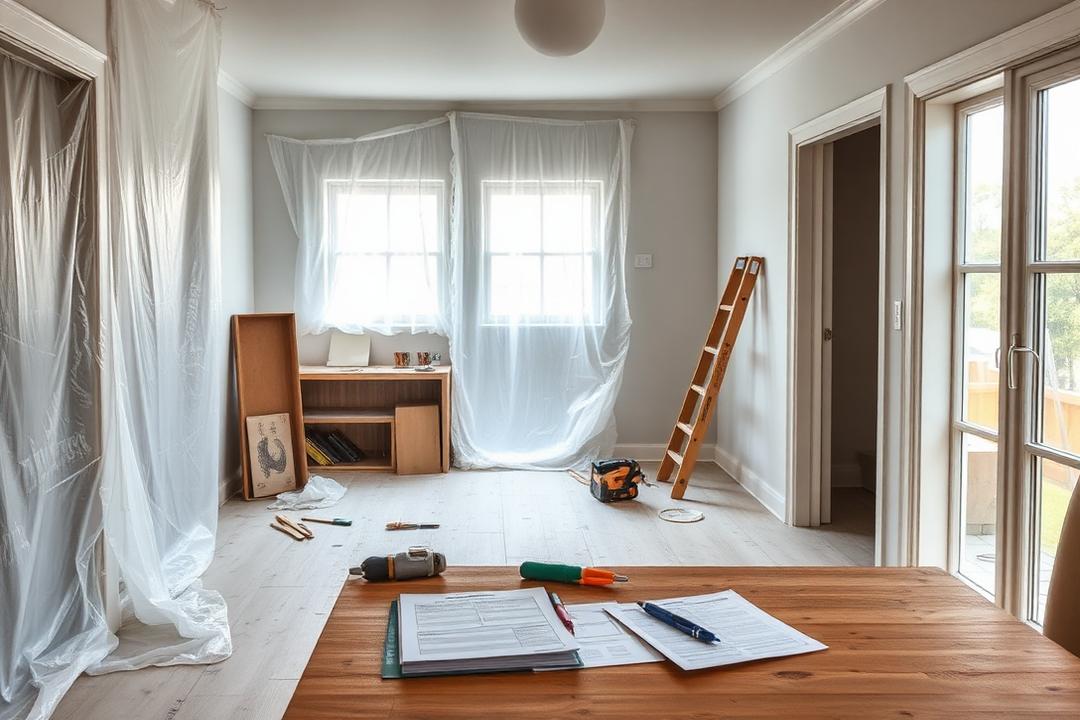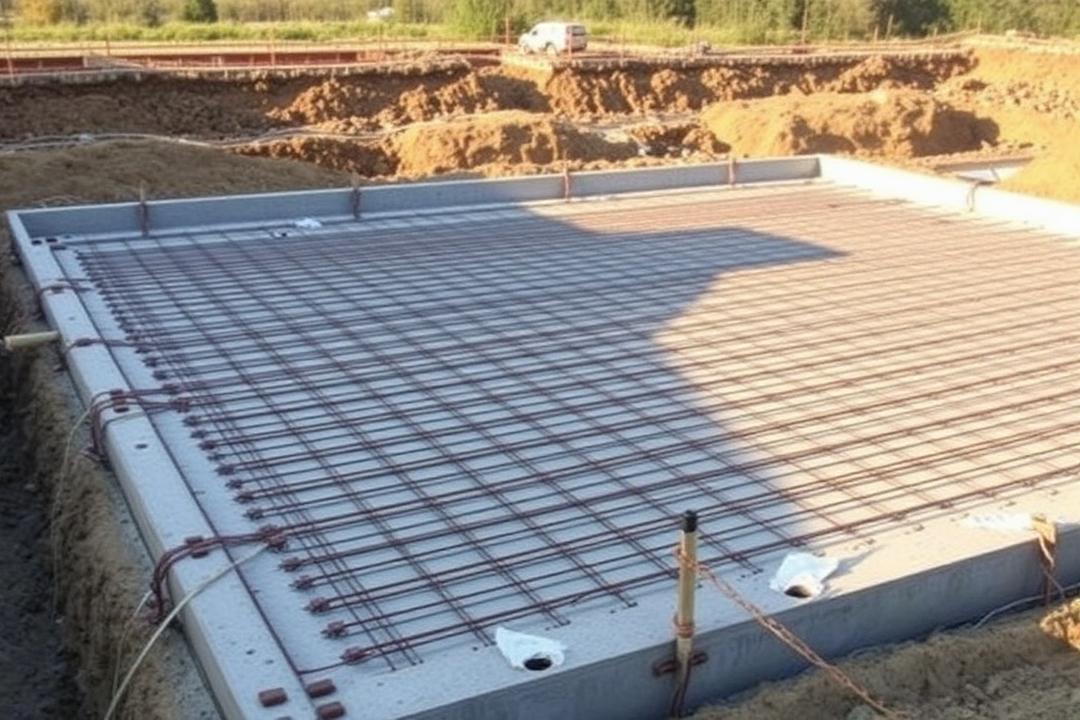
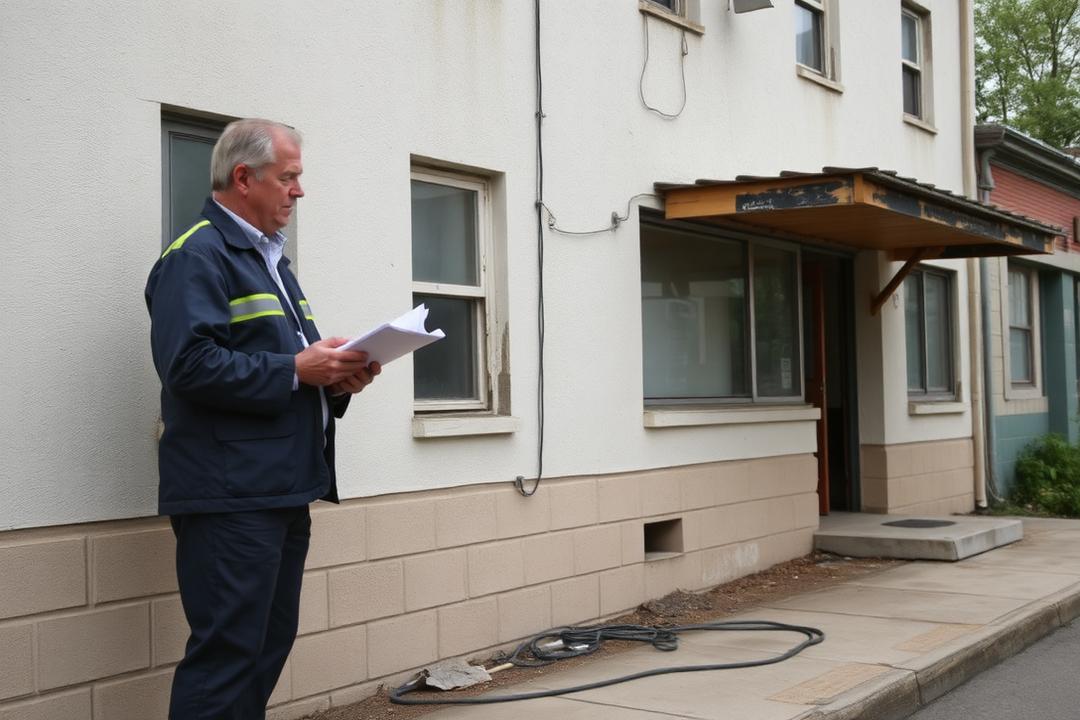
Repair, remodel or rebuild is rarely a purely financial question. It depends on the condition of the structure, how well the layout serves its purpose, and how long the property needs to keep performing.
Start with the structure and the envelope
Foundation movement, framing damage, water intrusion and roof condition sit at the top of the list. These items affect everything installed on top of them, and they are the most expensive problems to address after finishes are complete.
Cosmetic wear is a distraction at this stage. A property with a tired interior but a sound structure is usually a strong remodel candidate; the reverse rarely is.
Evaluate the systems honestly
Electrical, plumbing, mechanical and drainage systems have finite service lives. When several are near the end at once, a renovation quickly becomes a rebuild of everything behind the walls anyway.
That is not automatically a reason to demolish, but it should be priced as part of the remodel rather than discovered midway through it.
Ask whether the layout can serve the purpose
Some buildings simply cannot become what the owner needs without moving structural elements. Load-bearing walls, column spacing, ceiling height and access points define the practical limits of a renovation.
If the required changes remove most of the existing structure, rebuilding may deliver a better result for a comparable investment.
Compare full costs, not headline numbers
A fair comparison includes demolition, disposal, site preparation, the construction itself, the time the property is out of service, and the likelihood of concealed conditions in an older building.
Renovation carries more uncertainty than new construction because conditions are hidden until work begins. A contingency belongs in any renovation comparison.
- Repair: targeted work on a sound structure with functioning systems.
- Remodel: reconfiguration and finish replacement where the shell still serves the purpose.
- Rebuild: the structure, layout or systems cannot economically meet the requirement.
Weigh the long-term use
How long the property will be held and how it will be used should influence the decision. A short holding period favors targeted repair; a long-term facility usually justifies solving the underlying problems properly.
The right answer is the one that matches the building's real condition to how it will actually be used. A site walk with a contractor who performs demolition, concrete and finish work will surface the details that decide it.
A note on scope
This article is general educational information about construction practice. It is not engineering, legal or code-compliance advice, and it does not guarantee any particular outcome on a specific property. Requirements vary by jurisdiction, soil conditions and project type.
Discuss your project
If you are planning work like this, send the details and our team will review the scope with you.
Request an estimate